Commercial Spray Foam Yakima WA
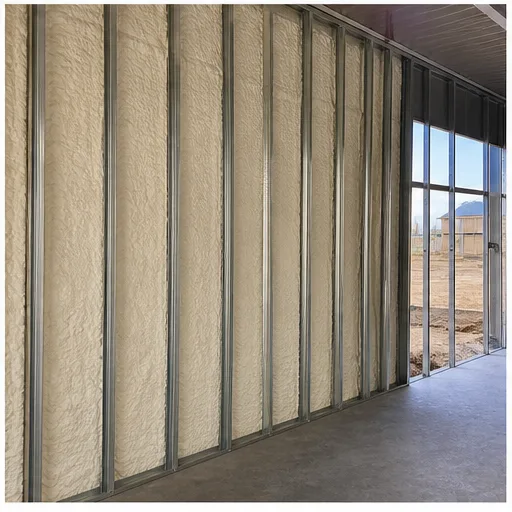
Yakima Spray Foam Pros installs commercial spray foam in Yakima, WA and surrounding areas.
Commercial insulation work needs more than material and labor. It requires planning, communication, site protection, access coordination, and an installation approach that respects how the building is used. Offices, warehouses, shops, tenant improvements, agricultural facilities, and larger construction projects all bring different requirements.
Spray foam can support air sealing and thermal performance in commercial spaces, especially when the area is hard to insulate with conventional materials. It can be useful around rooflines, metal buildings, rim areas, wall cavities, and spaces where air leakage would affect comfort or operating costs.
Owners and managers can use the Yakima spray foam cost calculator to build an early planning range before a commercial walkthrough confirms square footage, access, staging, and schedule.
Commercial Planning Factors
- Building use, occupancy, scheduling windows, and tenant coordination.
- Substrate condition, access height, staging, and equipment needs.
- Masking and protection for fixtures, inventory, floors, windows, and mechanical systems.
- Ventilation and re-entry planning after spray foam application.
- Code, inspection, and assembly requirements that may affect material choice.
Why Professional Process Matters
Commercial projects can become expensive when communication is poor. We focus on clear scope, realistic site planning, and clean execution. A good commercial foam job should be predictable, organized, and built around long-term performance rather than a quick spray-and-go approach.
Buildings We Work On
Common projects include warehouses, office buildouts, metal shops, agricultural buildings, storage buildings, retail spaces, remodels, and new construction areas. Each project is reviewed for access, surface condition, foam type, depth, and the finished result expected by the property owner.
Commercial Site Coordination
Commercial spray foam work should be planned before a crew arrives. We look at where people work, where materials are stored, how equipment moves through the building, and which areas need protection. Work windows, ventilation, re-entry, and access all need to be clear so the project does not disrupt the property more than necessary.
Commercial buildings may also involve lifts, tall walls, roof decks, metal panels, tenant spaces, warehouses, or areas with mechanical systems. Each condition affects how the job should be staged and what needs to be protected.
Performance Beyond The First Day
A commercial insulation project should support long-term use of the building. That means thinking about air sealing, durability, service access, fire or ignition barrier requirements where applicable, and whether the foam type matches the assembly. The work should be organized enough for owners, managers, and tenants to understand what is happening and why.
We focus on clear scope, professional preparation, consistent installation, and a finished result that supports comfort and building performance.
Questions We Answer Before Installation
Before recommending foam, we want to understand what problem you are trying to solve. A comfort issue, a draft, a condensation concern, a noisy shop, a cold floor, or a commercial scheduling need can all point to different installation details. We also ask about the building age, the current insulation, moisture history, access, and whether any remodeling or repair work is planned.
Those details matter because spray foam performs best when it is installed as part of a clear building-envelope plan. The foam type, depth, prep work, ventilation, and finished appearance should all make sense for the space. A professional insulation job should not feel rushed or generic. It should leave you with a clear understanding of what was installed, why it was chosen, and what conditions were addressed before the work began.
Why Property Owners Call Us
Property owners usually call when they want better comfort, tighter air sealing, more reliable insulation, or a durable solution in an area where standard insulation has not worked well. We focus on honest project review, careful preparation, and high-quality spray foam work for Yakima-area homes, shops, crawl spaces, attics, metal buildings, and commercial properties.
For commercial owners, documentation and communication matter. We want the property owner or manager to understand the work area, schedule, access needs, protection plan, and any conditions that should be corrected before installation starts.
That extra planning is especially important when the building remains active or when other trades are scheduled nearby. Clear sequencing helps reduce downtime and keeps the insulation work from creating avoidable delays.