Attic Spray Foam vs Blown-In Insulation
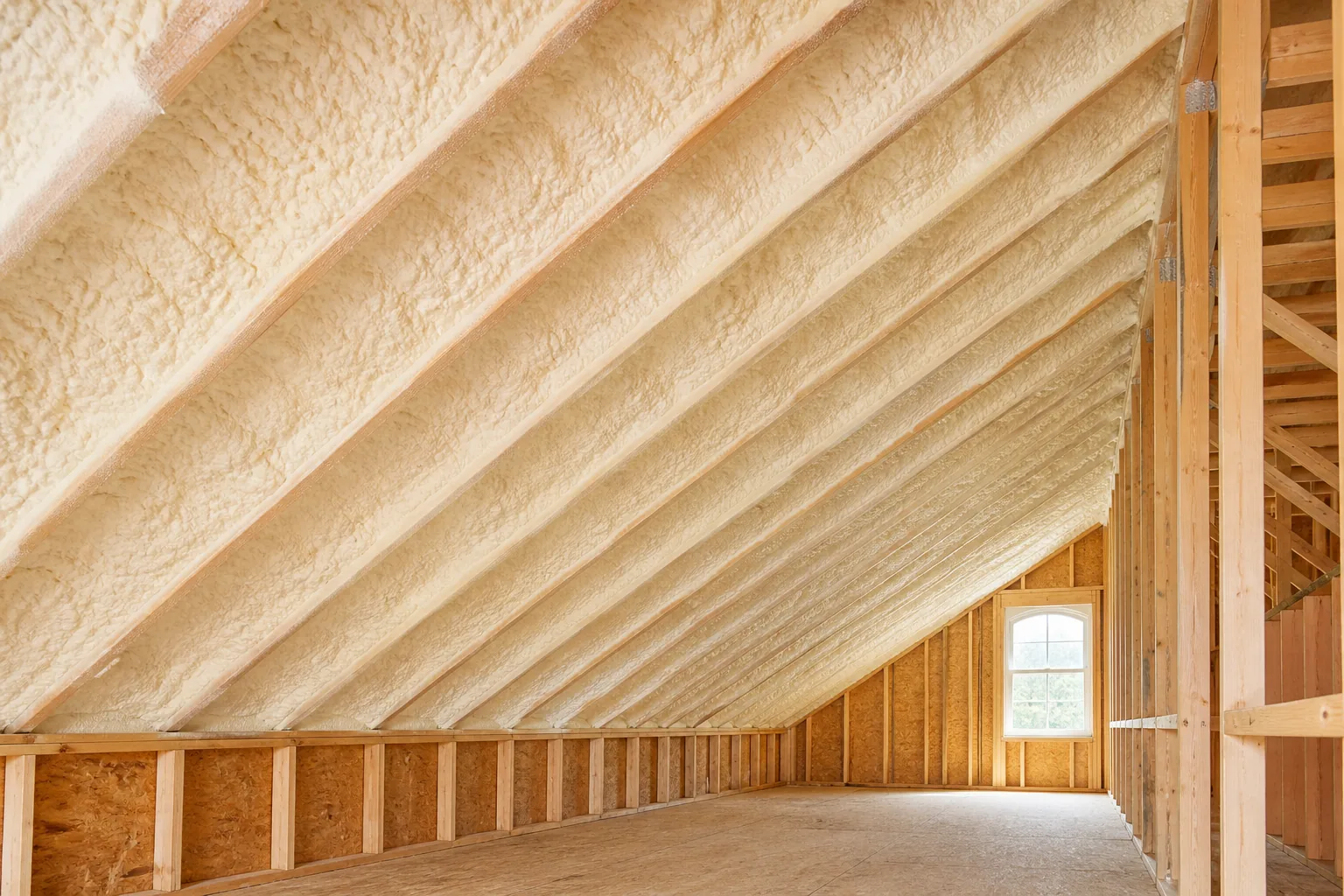
Yakima Spray Foam Pros helps Yakima homeowners choose attic insulation based on the building, not guesswork.
Blown-in insulation and spray foam solve different problems. Blown-in material can add thermal resistance across an attic floor, but it does not automatically stop air movement. Spray foam can insulate and air seal at the same time when installed at the correct boundary.
When Blown-In Insulation Can Make Sense
Blown-in insulation may be a practical choice in a conventional vented attic when the attic floor has already been air sealed and the goal is simply to add insulation depth. It can be less invasive and can work well when the attic is dry, accessible, and properly ventilated.
When Spray Foam Can Make Sense
Spray foam may be a better fit when air leakage is a major problem, when ducts or mechanical systems are in the attic, when roofline insulation is being considered, or when irregular framing is hard to seal with loose material. Foam can help create a tighter building envelope, but it must be designed around ventilation and moisture control.
What We Review
- Whether the attic is vented or unvented.
- Existing insulation condition and contamination.
- Air leakage points around chases, lights, wiring, ducts, and attic hatches.
- Roof deck condition and moisture signs.
- Whether the goal is comfort, energy performance, air sealing, or a full attic conversion.