Attic Insulation Yakima WA
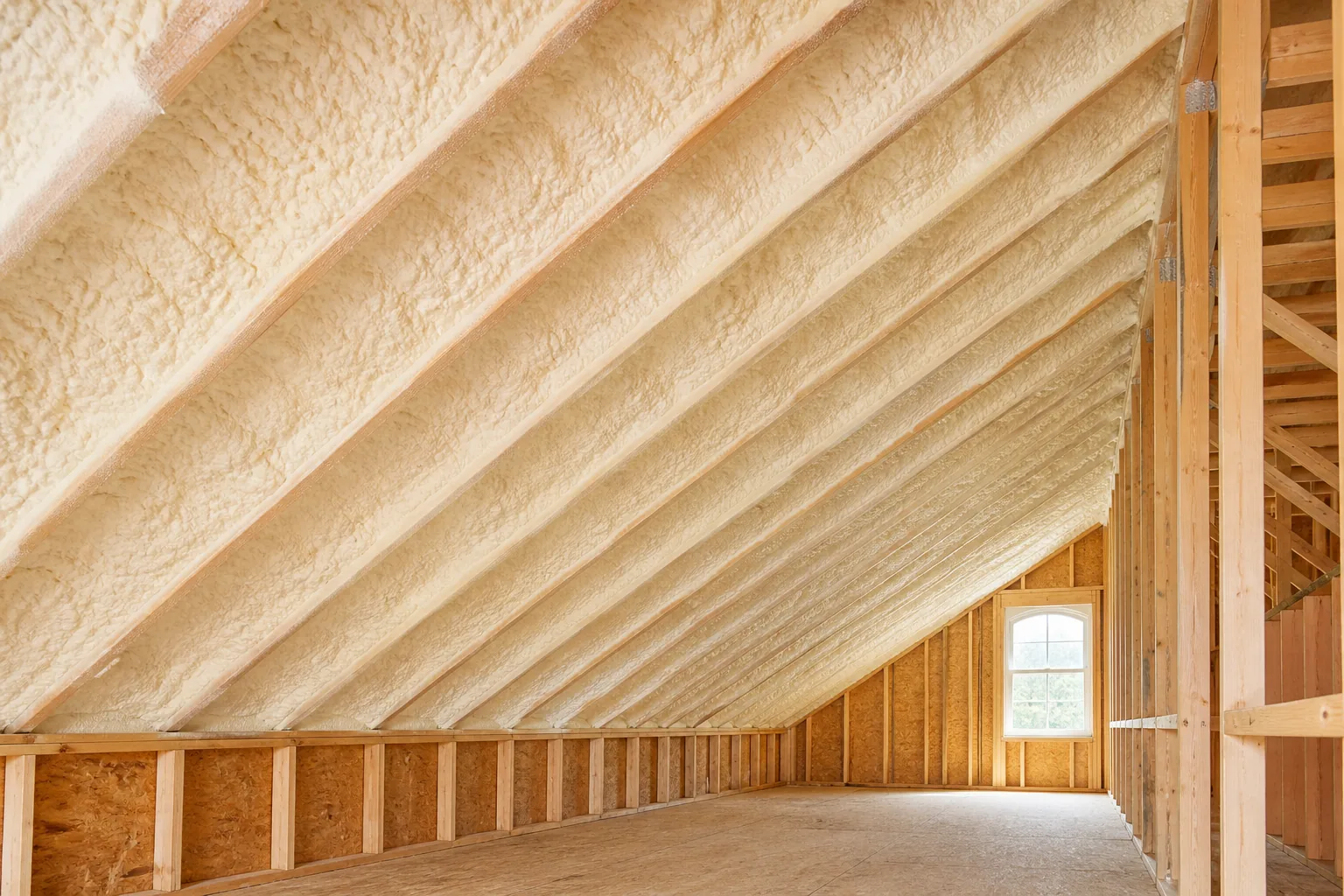
Yakima Spray Foam Pros installs attic insulation in Yakima, WA and surrounding areas.
Attics are one of the most important areas of the building envelope. Hot rooms, cold rooms, dusty air, drafts, and high energy use often connect back to attic air leakage or insulation that is incomplete, compressed, disturbed, or poorly matched to the building.
Spray foam can help create a tighter air boundary, especially around rooflines, knee walls, penetrations, and hard-to-seal framing. But attic work needs good judgment. The right approach depends on whether the attic is vented, whether ducts or mechanical systems are in the attic, whether old insulation needs to be removed, and whether there are signs of moisture or roof leakage.
If you are still comparing attic options and budget ranges, start with the Yakima spray foam cost calculator before requesting a site-specific quote.
What We Look For In An Attic
- Existing insulation condition, depth, gaps, and contamination.
- Air leakage around top plates, chases, can lights, plumbing, wiring, and attic access points.
- Roof deck condition, ventilation paths, and signs of moisture.
- Ductwork, mechanical equipment, and whether the attic should stay vented.
- Access limitations and safe working clearances.
Why Spray Foam Is Different
Traditional attic insulation can slow heat transfer, but it does not always stop air movement. Spray foam can reduce air leakage when installed at the right boundary. That can make a major difference in comfort because air leaks can carry heat, dust, and moisture through the building.
We do not treat every attic the same. Some projects need roofline foam. Others may need targeted air sealing and a different insulation strategy. The goal is a durable attic assembly that fits the building and avoids hidden moisture problems.
Professional Attic Results
A professional attic foam job should leave the area cleaner, tighter, and more predictable. We focus on prep, access protection, clean application, and explaining the attic conditions before work begins.
Vented vs Unvented Attic Planning
One of the biggest attic decisions is whether the insulation belongs at the attic floor or at the roofline. A traditional vented attic usually depends on air sealing at the ceiling plane and insulation above the living space. A roofline foam approach can bring the attic closer to conditioned space, but it must be planned around moisture, ventilation, ducts, roof condition, and code requirements.
We do not recommend attic foam blindly. We review where the air boundary should be, whether existing insulation should remain, and whether the attic has signs of roof leaks, bath fan problems, or moisture that needs to be fixed first.
Comfort Problems That Often Start In The Attic
Hot second-floor rooms, cold bedrooms, dusty air, uneven HVAC performance, and high utility use can all be connected to attic leakage. Air can move through top plates, open chases, can lights, duct penetrations, plumbing stacks, and attic hatches. Foam can help when those leakage paths are part of the problem and the attic assembly is designed correctly.
A clean attic job should improve the building envelope without trapping moisture or blocking needed access. That is why planning matters as much as the spray foam itself.
Questions We Answer Before Installation
Before recommending foam, we want to understand what problem you are trying to solve. A comfort issue, a draft, a condensation concern, a noisy shop, a cold floor, or a commercial scheduling need can all point to different installation details. We also ask about the building age, the current insulation, moisture history, access, and whether any remodeling or repair work is planned.
Those details matter because spray foam performs best when it is installed as part of a clear building-envelope plan. The foam type, depth, prep work, ventilation, and finished appearance should all make sense for the space. A professional insulation job should not feel rushed or generic. It should leave you with a clear understanding of what was installed, why it was chosen, and what conditions were addressed before the work began.
Why Property Owners Call Us
Property owners usually call when they want better comfort, tighter air sealing, more reliable insulation, or a durable solution in an area where standard insulation has not worked well. We focus on honest project review, careful preparation, and high-quality spray foam work for Yakima-area homes, shops, crawl spaces, attics, metal buildings, and commercial properties.
Attic air-sealing checklist for Yakima homes
Attic comfort problems are often a mix of insulation gaps and air movement. Before choosing foam, blown-in insulation, or a hybrid approach, it helps to separate the areas that leak air from the areas that simply need more R-value.
- Check top plates, open chases, plumbing penetrations, wiring holes, can lights, bath fan runs, and attic hatches before adding insulation.
- Look at knee walls, bonus rooms, ducts, and roofline transitions when one room is much hotter or colder than the rest of the house.
- Document moisture stains, roof leaks, bath fan discharge, blocked vents, or pest contamination before any insulation work starts.
- Compare the attic plan with the Yakima cost and rebate checklist, spray foam cost calculator, safety and curing guide, and contractor questions checklist.
Frequently asked attic insulation questions
Should attic air leaks be sealed before adding insulation?
Often, yes. Insulation slows heat transfer, but unsealed air paths can still move heat, dust, and moisture through the attic floor or roofline. The right sequence depends on the attic condition and chosen assembly.
Is spray foam always better than blown-in attic insulation?
No. Spray foam can be useful when air sealing, roofline insulation, or hard-to-seal framing is the priority. Blown-in insulation may still make sense for some vented attic-floor projects when air leaks and moisture issues are addressed first.
What should be checked before roofline foam?
Before roofline foam, review roof condition, moisture signs, existing ventilation, ducts or mechanical systems, ignition-barrier requirements, access, and whether old insulation should stay or be removed.