Common Questions About Spray Foam Insulation
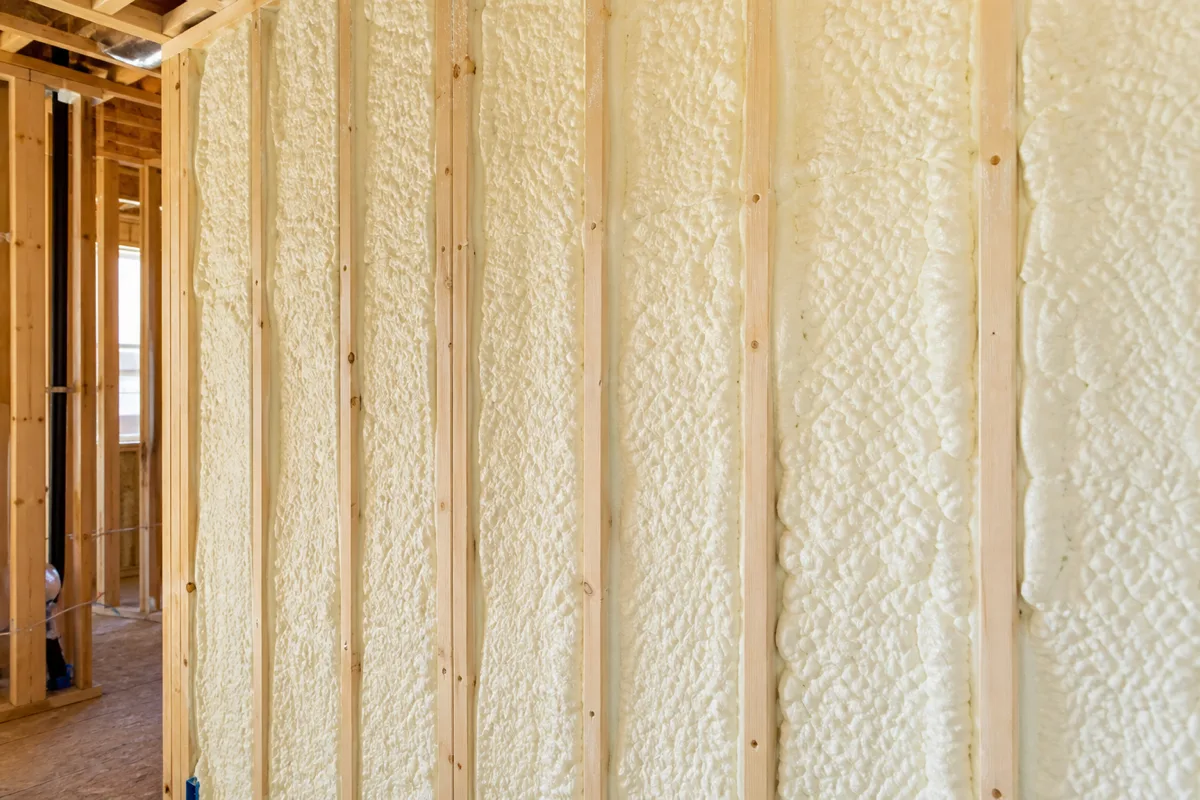
Yakima Spray Foam Pros installs high-quality spray foam insulation for homes, attics, crawl spaces, shops, metal buildings, and commercial properties in Yakima and nearby areas. These are some of the common questions people ask before starting a professional spray foam project.
Where is spray foam commonly used?
Common areas include attic rooflines, crawl spaces, rim joists, wall cavities, garages, shops, agricultural buildings, metal buildings, and commercial spaces. The best area depends on where air leakage, comfort issues, or insulation gaps are showing up.
Can spray foam help with comfort?
Spray foam can help reduce drafts and air movement when used in the right area. Many property owners ask about it because rooms feel too hot, too cold, dusty, or drafty compared with the rest of the building.
What should I know before requesting service?
Helpful details include the property location, building type, area to be insulated, approximate size, current condition, access limitations, and timing. If moisture, roof leaks, or damaged materials are present, those details should be included too.
Does every project need the same foam?
No. The foam type and installation approach should match the area, building conditions, and performance goals. Crawl spaces, attics, wall cavities, and metal buildings can all require different planning.
Can spray foam be installed over existing insulation?
Sometimes the existing material needs to be removed first. Wet, dirty, compressed, poorly placed, or failed insulation can keep spray foam from bonding, expanding correctly, or creating the air seal the project needs. A professional review should happen before deciding what stays and what comes out.
Does spray foam seal air leaks too?
Yes, spray foam can insulate and air seal when it is applied correctly. That is one reason it is used at rim joists, attic rooflines, crawl spaces, wall cavities, and odd framing gaps where air leakage is hard to control with loose or batt insulation alone.
Do occupants need to leave during spray foam installation?
Occupants and pets should stay away from the work area during application, and re-entry timing should be discussed before the job starts. Ventilation, product guidance, jobsite conditions, and manufacturer recommendations all matter.
Is open-cell or closed-cell foam better for sound control?
Open-cell foam is often considered when sound reduction and full cavity fill are priorities. Closed-cell foam is usually chosen when the project needs more density, moisture resistance, durability, or higher insulation value in limited space.
Can spray foam help metal building condensation?
Spray foam can help reduce air movement against prepared metal surfaces, which can help lower condensation risk when the building assembly is planned correctly. Surface prep, foam type, ventilation, and how the building is used all matter.
What should be fixed before spray foam is installed?
Roof leaks, plumbing leaks, standing water, wet framing, damaged wood, pest problems, and surface contamination should be reviewed first. Spray foam works best when the building is dry, sound, accessible, and ready for the material.